
Habla Español:
Call Now
Cremation Consultants Available 24/7
Call Now
Cremation Consultants Available 24/7
Understanding Cremation: A Guide to Its Meaning and Significance

Understanding Cremation: A Guide to Its Meaning and Significance
Understanding Cremation: A Guide to Its Meaning and Significance. Welcome to our comprehensive guide on understanding cremation and its profound meaning and significance in different cultures and religions. In this article, we delve into the age-old practice of cremation, shedding light on its historical origins and contemporary practices.
Throughout this guide, we explore the cultural and religious aspects of cremation, discussing its connection to ancient civilizations, such as the Egyptians and Greeks, as well as modern practices in different regions of the world. We also highlight the significance of cremation in major religions like Hinduism, Buddhism, and Christianity.
By understanding the meaning and significance of cremation, you will gain a deeper appreciation for this timeless practice and its role in honoring the deceased. So, let’s embark on this enlightening journey together and unravel the mysteries surrounding cremation.
What is Cremation?
Cremation, derived from the Latin word “cremare,” meaning “to burn,” is the process of reducing a body to ashes using intense heat. It is an alternative to traditional burial and has been practiced for centuries. While burial involves interring the body in the ground, cremation offers a different approach by transforming the body into ashes.
Cremation is typically carried out in a special type of furnace called a retort.
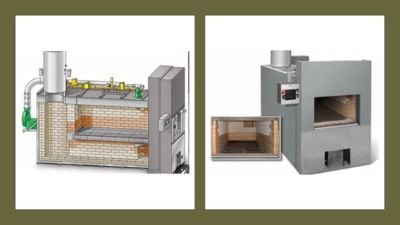
The intense heat, reaching temperatures of up to 1,800 degrees Fahrenheit, reduces the body to bone fragments and eventually to ashes. These ashes, known as cremains, are then carefully collected and placed in an urn or scattered according to the wishes of the deceased or their loved ones.
History of Cremation
The practice of cremation has ancient roots and can be traced back to various civilizations throughout history. One of the earliest recorded instances of cremation dates back to ancient Egypt, where it was primarily reserved for pharaohs and the elite. Egyptians believed that cremation was essential for ensuring the deceased’s journey into the afterlife.
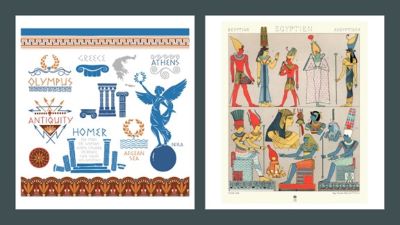
In ancient Greece, cremation was also a common practice associated with honoring fallen warriors. The Greeks believed cremation released the soul from the body, allowing it to ascend to the heavens. The ashes were often collected and placed in urns, which were then buried or displayed in mausoleums.
Cremation fell out of favor during the rise of Christianity, as the religion promoted the concept of bodily resurrection. However, it regained popularity during the Renaissance period, particularly in Europe, due to various factors, including limited burial space and the influence of the Enlightenment movement.
Cultural and Religious Perspectives on Cremation
Cremation carries different cultural and religious significance across the globe. In Hinduism, cremation is considered the preferred method of disposal as it is believed to release the soul from the cycle of rebirth. The cremation ceremony, known as “Antyesti,” is an elaborate affair that involves specific rituals and prayers.
Buddhism also views cremation as a common practice. Buddhists believe in the impermanence of life and the importance of detachment from the physical body. Cremation is seen as a way to let go of attachment and facilitate the soul’s transition to the next life.
In contrast, major Abrahamic religions, such as Christianity, Judaism, and Islam, traditionally prefer burial as the primary method of final disposition. However, attitudes towards cremation have evolved, and many adherents of these religions now accept and practice cremation, albeit with specific guidelines and restrictions.
Cremation vs. Burial: Pros and Cons
The choice between cremation and burial is profoundly personal and dependent on various factors. Each method has its pros and cons, and it’s essential to consider them when making end-of-life arrangements.
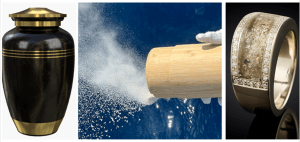
One significant advantage of cremation is its flexibility. Unlike burial, cremation allows for more diverse options for memorialization. Families can keep the cremains in an urn, scatter them in a meaningful location, or even incorporate them into jewelry or artwork. This versatility provides a unique and personalized way to remember and honor the deceased.
Another advantage of cremation is its cost-effectiveness compared to traditional burial. Cremation generally involves fewer expenses, such as purchasing a burial plot or a casket. This can be particularly beneficial for families with limited financial resources or those who prefer to allocate their resources toward other aspects of memorialization or supporting loved ones.
On the other hand, burial holds significant cultural and religious significance for many individuals and communities. It provides a tangible and physical connection to the deceased, making it easier for some people to grieve and find solace. Burial also allows for the creation of permanent memorials, such as gravestones or monuments, which can serve as a place for remembrance and reflection.
The Cremation Process Explained
The cremation process involves several distinct stages, ensuring the respectful transformation of the body into ashes.
The body is transported to the crematorium once the necessary legal and administrative requirements are fulfilled. The deceased is usually placed in a combustible container, such as a casket or cardboard box.
The body is then placed in the retort, which is preheated to a high temperature. As the retort door closes, the intense heat reduces the body to bone fragments. This initial process, known as the primary combustion, typically takes several hours.
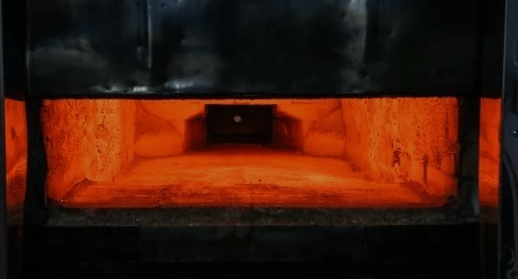
After the primary combustion, the remaining bone fragments are allowed to cool before further processing.
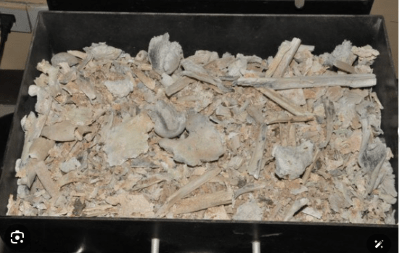
The bone fragments are placed in a pulverizer, which reduces them to a finer consistency, resembling sand or gravel.
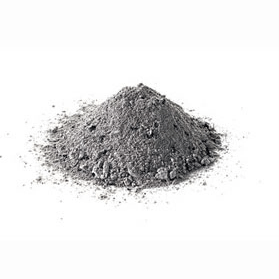
These bone fragments, also known as “cremains” or “ashes,” are carefully collected and placed in an urn. The urn can be personalized, allowing families to choose a design or inscription with special meaning for the deceased.
Cremation Services and Options
Cremation services vary depending on personal preferences, cultural practices, and budget. Many cremation providers offer a range of options to cater to diverse needs and beliefs.
Families can choose a traditional funeral service before cremation, allowing for a final farewell and the opportunity to gather and pay respects.
Alternatively, families may opt for a memorial service after cremation, where the urn containing the cremains is present. This service can occur in a place of worship, a funeral home, or any other significant location for the deceased.
Some families choose to personalize the memorial service by incorporating elements that reflect the individual’s life and interests. This can include displaying photographs, playing their favorite music, or sharing stories and memories. Personalization allows for a meaningful and heartfelt tribute to the departed.
10050 Spanish Isles Blvd, Suite E-10
Boca Raton, FL 33498


© 2023 Sunshine Cremation Services LLC. ALL RIGHTS RESERVED. Privacy Notice.
All Funeral Services will be provided by either Sunshine Cremation Services or its parent company, Kronish, Sunshine & Co., a licensed funeral establishment. This website is for informational purposes only. No funeral services are being offered or sold herein.