
Habla Español:
Call Now
Cremation Consultants Available 24/7
Call Now
Cremation Consultants Available 24/7
Brain Donation: How to Donate & Why It Matters

Brain Donation: How to Donate & Why It Matters
Brain Donation: How to Donate & Why It Matters. Brain donation is a profound gift to science and humanity. It offers hope for understanding complex brain diseases.
Many people wonder, “Can you donate your brain?” The answer is yes, and it’s a decision that can make a significant impact.
Brain donation after death requires planning, consent, and coordination with brain banks. Individuals typically register with a brain bank, discuss their wishes with family, and complete consent forms to allow their brain to be used for research.
Donating your brain advances research in conditions like Alzheimer’s and Parkinson’s by providing vital tissue samples.
This guide provides key information on the process, benefits, and considerations for individuals and families. Early planning and open discussions ensure a smoother process.
Understanding the facts about brain donation helps you make an informed choice that honors a loved one’s legacy and supports scientific progress.
Understanding Brain Donation: What It Is and Why It Matters
Brain donation is a voluntary act of donating brain tissue after death. It allows scientists to study various neurological diseases in depth. Brain donation provides tissue for research studies conducted by qualified scientists, which is critical research for understanding dementias and other neurological diseases. This research is essential for advancing our understanding of conditions like Alzheimer’s, Parkinson’s, and other brain disorders.
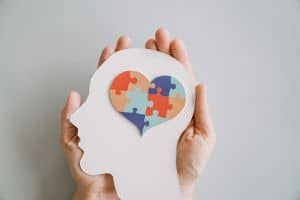
The importance of brain donation cannot be overstated. It fills a critical gap in research by providing tissue samples that are otherwise hard to obtain. These samples are vital for developing new treatments and understanding disease progression.
Here are some key reasons why brain donation matters:
- Advances in Scientific Knowledge: It supports the research needed to unlock the mysteries of the human brain.
- Develops New Treatments: It enables scientists to explore new avenues for treatments and cures.
- Provides Tissue for Research Studies: Both affected and unaffected brains are needed to supply tissue for research studies on dementias and other brain disorders, enabling qualified scientists to compare healthy and diseased tissue and advance critical research.
- Increases Public Awareness: It helps reduce the stigma associated with brain diseases, fostering understanding and empathy.
Through brain donation, donors and their families contribute to a cause larger than themselves. It is an act of generosity that leaves a lasting impact on medical science and future generations.
Can You Donate Your Brain? Eligibility and Common Questions
Many people wonder, “Can you donate your brain?” The simple answer is yes; most people can donate their brains to science. This act is a powerful contribution to research and understanding of neurological diseases.
Eligibility for brain donation is generally inclusive. However, certain medical conditions might affect the ability to donate. These include infectious diseases or severe trauma to the brain before death. Always check with specific brain donation programs to understand their criteria.
Age Requirements for Brain Donation Registration
Individuals can typically register as potential brain donors once they reach adulthood, which is generally at age 18 or older. This age requirement ensures that adults can give legal consent for their wishes regarding donation. If you’re under 18 and interested in brain donation for research, parental or guardian consent would be needed.
If you’re considering brain donation, you likely have some questions. Here are common inquiries with straightforward answers:
- Who can donate? Most individuals, regardless of age or health.
- Does it affect the funeral? No, it doesn’t interfere with funeral plans.
- How do I register? Contact a local brain bank or research institution.
What About Minors? Parental Registration and Consent
Parents or legal guardians can take steps to register a minor as a potential brain donor. In these cases, consent for donation is provided by the parent or guardian, much like consent for other medical procedures. This can be an important decision for families who wish to contribute to neurological research, even at a young age. As always, it’s wise to reach out to the chosen brain donation program for specific guidance on enrolling minors, as some programs may have unique policies or additional requirements.
Registering as a potential brain donor typically involves completing a consent form, which formalizes your decision to donate. This consent form can be updated or withdrawn at any time if your wishes change.
It’s important to discuss this decision with family members and healthcare providers. If you are unable to provide consent at the time of death, a family member or other representative may be required to authorize the donation. Ensuring that your wishes are known is crucial for a smooth process. Remember, brain donation is a personal choice, and getting the right information can help make it easier.
Do Brain Banks Specialize in Certain Diseases?
Yes, many brain banks focus on specific neurological conditions. There are specialized brain banks dedicated to the study of disorders like Alzheimer’s, Lewy body dementia, progressive supranuclear palsy, multiple system atrophy, Parkinson’s disease, frontotemporal dementia, and others. This specialization ensures researchers have access to the tissue samples most relevant to their area of study, helping drive advances in targeted treatments and disease understanding. If you or a loved one is affected by a particular condition, you can often find a brain bank that concentrates on that disease, making your donation even more impactful in the fight against neurological disorders.
The Brain Donation Process: Step by Step
Understanding the brain donation process can ease concerns and simplify the decision. The steps are straightforward, prioritizing dignity and respect.
First, individuals should register their intent with a brain bank or research institute, ideally well before death to ensure wishes are respected. Upon death, the organization should be notified within two hours so the donation remains viable. Brain removal typically occurs within 24 hours to preserve tissue quality.
Prompt family notification is crucial to start the procedure.
Here’s what generally happens:
- Registration: Enroll with a brain bank.
- Notification: Inform the organization at the time of death, ideally within two hours.
- Brain removal: Conducted with care by experienced professionals.
- Analysis: Tissue is examined for research purposes.
- Research and storage: The brain is stored and used for scientific studies.
Arrangements with the funeral home are coordinated alongside the brain donation process to handle logistics respectfully. The procedure does not delay funeral plans, including open casket viewing or cremation, as specialists work to preserve the appearance of the deceased.
Families stay informed throughout, often receiving updates about the research their loved one’s donation supports, providing closure and purpose. Understanding this process can help donors and families feel confident in their decision to contribute to important research.
Brain Autopsy: What Happens and Why It’s Important
A brain autopsy is a key part of brain donation, providing critical insights into diseases like Alzheimer’s, Lewy body dementia, and frontotemporal dementia. After donation, experts examine the brain tissue to identify changes and abnormalities, such as amyloid plaques and tau tangles, that can’t be seen in life.
This examination not only aids research but also provides families with a detailed neuropathology report, often offering a definitive diagnosis that brings clarity and closure.
By allowing a brain autopsy, donors and their families support science, helping researchers develop new diagnostic tools and treatments. Each donation furthers our understanding of the brain and contributes to better outcomes for future generations.
Brain Donation After Death: What Families Need to Know
The thought of what happens after our loved ones pass can be overwhelming. For many families, the decision to donate is emotional, and support is available throughout the process. For families considering brain donation, understanding the process can bring clarity and peace.
A primary concern for many is how a donation affects funeral arrangements. Fortunately, brain donation can occur without hindering traditional burial practices or open-casket services. Related ceremonies, such as religious or cultural rites, are respected and accommodated. Respect for cultural and personal preferences is always maintained.
Families must act swiftly when a loved one passes. It’s crucial to inform the registered brain bank immediately. This step ensures the brain is preserved properly for research purposes.
Key points families should be aware of include:
- Notification: Promptly inform the brain bank to initiate the donation.
- Funeral compatibility: Donation doesn’t interfere with most funeral plans, and open casket viewing is possible after brain donation.
- No cost: The family typically incurs no additional costs related to brain donation.
Understanding these logistics helps families feel prepared. Additionally, knowing that their loved one’s gift will contribute to vital medical discoveries can provide comfort. The act of donation often serves as a meaningful legacy, honoring the life of the departed while furthering the advancement of science.
Donate Brain to Science: How Your Gift Advances Research
Donating a brain to science is an extraordinary gift to humanity. It provides vital insights that propel medical research forward, enhancing our understanding of complex neurological conditions. By analyzing donated brain tissue, researchers learn about brain changes associated with aging, Alzheimer’s disease, and other dementias, helping to distinguish normal aging from disease processes. Each donation contributes valuable information, helping scientists unlock the mysteries of the human brain.
Research into diseases like Alzheimer’s and Parkinson’s heavily depends on tissue samples from brain donors. These donations enable researchers to study disease progression, investigate developing dementia, and explore potential treatments for Alzheimer’s disease and other dementias. Each research study uses donated brains to investigate cognitive conditions, and these donations support future research that advances our knowledge and leads to discoveries.
The implications of such research are vast. By donating your brain, you’re supporting breakthroughs that could lead to early diagnosis methods and innovative treatments. Your contribution aids in developing tools that may one day eradicate debilitating diseases.
Key advancements due to brain donation include:
- Disease understanding: Breakthroughs in understanding neurological diseases, including Alzheimer’s disease and other dementias, are made possible by research studies using donated brain tissue.
- Therapy development: Contributions towards new treatment methods.
- Diagnostic advancements: Progress in creating early detection techniques.
Your decision to donate opens doors to scientific possibilities, ultimately fostering hope for those living with brain conditions.
Free Donation Arrangements: Costs, Logistics, and Support
One of the most reassuring aspects of brain donation is that it’s typically offered at no cost to the donor or their family. Brain donation programs handle all necessary arrangements—from tissue transport and funeral home coordination to ensuring the process is carried out with respect and care.
Families receive guidance, support, and answers throughout the process, making a difficult time more manageable. All logistical and financial aspects, including removal and transport of the donated brain, are covered by the program, with no hidden fees.
By donating, individuals and families support research into brain diseases and help develop new treatments and diagnostic tools. This generous act advances scientific understanding and provides comfort in knowing the donation is making a difference.
Brain Donation Facts: Myths, Realities, and Key Considerations
Brain donation often faces misconceptions that hinder its understanding and importance. Clearing these myths helps people make informed decisions.
A common myth is that brain donation disrupts funeral plans, but it does not interfere with traditional services or open-casket viewings. The process honors the dignity and wishes of donors and their families.
Brain donation is distinct from organ donation, with each serving unique roles in research. You can choose to be both, as they complement each other. Discussing your wishes with family ensures they are respected.
Brain donation involves no cost to families, respects confidentiality, and uses brain tissue securely for research. Dispelling these myths can help potential donors make a meaningful contribution.
Key considerations include:
- Funeral arrangements: No disruption to traditional ceremonies.
- Distinct processes: Different from organ donation.
- Family communication: Important to discuss with loved ones.
- Confidentiality: Donor identities are safeguarded in research; all information is strictly confidential and tissue is stored securely.
Accurate information dispels myths, allowing potential donors to see the noble purpose of their contribution.
Planning Ahead: How to Register and Communicate Your Wishes
Planning for brain donation can be a crucial part of end-of-life considerations. It begins with understanding the registration process. Registering with a brain donation program is the first step in ensuring your wishes are documented and respected. Individuals can register their intent through brain banks or specific research organizations. Early registration ensures your wishes are documented.
Communicating your decision to family members is vital. This conversation helps them understand your motivations and prepares them for when the time comes. It also reinforces the importance of honoring your wishes after your passing.
Besides discussing with family, inform your healthcare provider about your decision. This step ensures your medical team is aware and supports your intentions. Documenting your wishes in legal documents, such as a will, further solidifies this commitment.
Proactive steps in brain donation planning include:
- Registration: Sign up with brain banks or research institutions.
- Family Discussions: Communicate your intentions clearly.
- Healthcare Notification: Inform your medical team.
- Legal Documentation: Include your wishes in legal papers.
Taking these steps not only clarifies your intentions but also ensures they are respected, providing peace of mind to you and your family.
Honoring Legacy: The Impact of Brain Donation on Families and Community
Brain donation creates a profound legacy, offering families a sense of purpose. It’s comforting to know a loved one’s contribution advances science and aids others. This choice reflects deep altruism and commitment to a greater cause. Brain donation benefits those affected by neurological diseases, as well as individuals without memory loss or other cognitive problems, by helping researchers distinguish between normal aging and disease-related changes.
Beyond individual families, the impact ripples through the community. Brain donations help break down stigmas surrounding neurological conditions. By contributing to research, donors pave the way for better treatments and understanding, benefiting society as a whole.
Communities often honor donors by embracing their lasting influence and celebrating the advancements made possible by their gifts. This shared acknowledgment:
- Inspires Others: Motivates community members to consider donation.
- Cultivates Awareness: Educates about the importance of brain research.
- Promotes Unity: Strengthens connections through shared purposes.
Ultimately, brain donation not only honors the donor’s legacy but also supports advancements that benefit future generations, fostering communal pride and gratitude.
Resources and Support for Brain Donation Information
Navigating the decision to donate your brain requires access to reliable information and support. Fortunately, numerous resources are available to guide you and your family through this process. Being informed can help you make a choice that aligns with your values and wishes.
Several organizations provide comprehensive brain donation information. These resources can answer questions and offer guidance for potential donors and their families. They ensure that you understand the steps involved and the impact of your decision.
Here are some key resources to consider:
- Brain Donor Project: Offers educational materials and registration support.
- National Institutes of Health (NIH): Provides extensive research and donation guidelines. The National Institute on Aging, part of the NIH, is an authoritative source for information on brain donation, including societal and religious perspectives. They encourage consulting with religious leaders for faith-specific questions.
- Local Hospitals and Research Institutions: Offer tailored advice based on specific community needs.
Accessing these resources will empower you with knowledge and support, making the process smoother and more meaningful.
10050 Spanish Isles Blvd, Suite E-10
Boca Raton, FL 33498


© 2023 Sunshine Cremation Services LLC. ALL RIGHTS RESERVED. Privacy Notice.
All Funeral Services will be provided by either Sunshine Cremation Services or its parent company, Kronish, Sunshine & Co., a licensed funeral establishment. This website is for informational purposes only. No funeral services are being offered or sold herein.