
Habla Español:
Call Now
Cremation Consultants Available 24/7
Call Now
Cremation Consultants Available 24/7

How Much Do Human Ashes Weigh After Cremation?
How Much Do Human Ashes Weigh After Cremation? Cremation is a choice to be made with care and thought. Understanding the weight of cremated remains can be important for families. It helps in planning memorials and choosing urns.
The weight of human ashes is a common question. Many wonder how much a cremated body weighs. This knowledge can provide comfort and clarity during a difficult time.
Cremated remains, often called ashes, are primarily bone fragments. These fragments are processed into a fine powder. The weight of these remains can vary.
Factors like body size and bone density influence the weight. Typically, adult cremated remains weigh between 4 and 6 pounds. This is about 3-5% of the original body weight.
The volume of ashes is also a consideration. On average, cremated remains fill about 200 cubic inches. This is roughly equivalent to 5-7 cups.
Understanding these details can help families make informed decisions. It allows them to honor their loved ones with dignity and respect.
What Are Cremated Remains? The Science and Meaning Behind “Ashes”
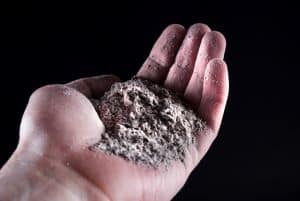
Cremated remains, often referred to as “ashes,” hold significant meaning for many. The term “ashes” might evoke images of dust, but this isn’t entirely accurate. The remains mostly consist of bone fragments reduced to a fine, sand-like consistency.
During cremation, the body undergoes intense heat, vaporizing soft tissues. What remains are bone fragments, which are then processed into a fine powder. This transformation from a physical body to ashes is both scientific and deeply symbolic.
The science of cremation involves precise methods. Specialized equipment ensures the process is both respectful and efficient. Understanding this can provide comfort during planning.
The finished remains are a testament to the person’s existence. For many families, this connection offers solace. It serves as a tangible link to the deceased.
Many choose cremation for its flexibility in memorializing loved ones. Cultural traditions may impact how these remains are perceived and handled. Choices may vary, but the importance remains universal.
Here’s a brief overview of cremated remains:
- Primarily composed of processed bone fragments
- The result of a high-temperature cremation process
- Reflects both scientific precision and emotional significance
Understanding the nature of cremated remains helps in making informed decisions. It ensures they are treated with the respect they deserve.
How Much Do Human Ashes Weigh After Cremation?
When navigating the cremation process, one question often arises: how much do human ashes weigh? The answer can vary, yet there are some general guidelines.
Typically, cremated remains weigh between 4 and 6 pounds for an adult. Several factors can influence this, including body size and bone density. For smaller individuals, the weight may be on the lower end.
The process of cremation reduces the body to roughly 3-5% of its original weight. While the soft tissues vaporize, the denser bones remain. These bones are then finely processed.
A person’s age and gender can also affect the weight of the ashes. Bone density and overall body composition play roles in this variance. Men and women, therefore, might yield different results.
Does Fat or Muscle Affect the Weight of Ashes?
A common misconception is that a person’s fat or muscle might change the final weight of their ashes. In reality, this isn’t the case. The weight of cremated remains comes almost entirely from the bones, not the soft tissues.
During cremation, both fat and muscle are fully vaporized by the intense heat. These tissues do not contribute to the final weight. Instead, it’s the skeletal structure that determines how much remains—in other words, factors like height and bone density have a much bigger impact. That’s why height, gender, and age are often used to estimate the weight of ashes rather than body composition.
For children, the percentage is slightly lower, with their ashes usually representing about 2.5% of their original body weight. So, while body type and silhouette may vary widely in life, it’s primarily the bones that leave their mark when all is said and done.
Understanding the weight helps in choosing an urn or memorial container. Many opt for one slightly larger than necessary, just in case. This ensures the ashes have ample space.
Interestingly, the type of cremation equipment and temperature used may subtly impact the weight. However, these variations are typically minimal. Most importantly, the process is conducted with dignity and respect.
In summary, several elements contribute to the weight of cremated remains:
- Average weight for adults: 4 to 6 pounds
- Influencing factors: body size, bone density, age, gender
- Approximately 3-5% of the original body weight
Having this information allows for proper planning. It helps families make informed choices about memorializing their loved ones. It’s a small yet significant detail in the healing journey.
Factors That Influence Cremated Remains Weight
The weight of cremated remains is influenced by various factors, each contributing uniquely to the final measurement. Understanding these factors helps in managing expectations during this emotional process.
Firstly, the individual’s body size plays a significant role. Larger individuals naturally have more bones, leading to more remains. Conversely, smaller individuals usually result in less weight.
Bone density is another critical factor. Denser bones contribute to heavier remains. Factors like age and health can affect bone density. Older individuals might have less dense bones due to conditions like osteoporosis.
Gender and Weight of Ashes
Gender differences also impact the weight of cremated remains. Men typically have larger skeletal structures, often resulting in heavier ashes. On the other hand, women might have less due to generally smaller frames.
As a general rule, ashes following cremation will weigh between 4 and 6 pounds, or around 3–5% of the person’s original weight. In most cases, the cremated remains of adult men tend to be on the higher end—about six pounds—while adult women’s ashes average closer to four pounds. Fat and muscle do not affect the mass of cremated ashes, so height and gender, which help predict skeletal weight, can provide a reliable estimate. For children, the ashes weigh about 2.5% of their original body weight.
Additionally, the age of the deceased may alter the weight of the remains. Younger individuals tend to have denser bones compared to older adults. This difference can marginally affect the weight.
Here’s a summary of the main influences:
- Body size
- Bone density
- Gender
- Age
The type of cremation process and equipment used can also subtly affect weight. Temperatures and equipment efficiency may introduce slight variations.
While these factors provide a framework, each case remains personal and unique. Discussing with a cremation specialist offers tailored insight, ensuring sensitivity and accuracy. Understanding these dynamics allows families to prepare thoughtfully, respecting their loved ones’ remains with care.
How Many Cups of Ashes After Cremation? Understanding Volume
The volume of cremated remains often puzzles many families after cremation. Understanding the typical volume helps in making informed choices about urns or memorials.
On average, the volume of cremated remains is approximately 200 cubic inches. This can be likened to about 5 to 7 cups. However, this is an average, and individual volumes can slightly differ based on various factors.
Body size significantly impacts the volume of ashes. Larger individuals tend to produce more volume compared to smaller ones. This is because more bone material is available after the cremation process.
The efficiency and type of cremation equipment can slightly influence the volume. While the variations are minimal, it’s worth noting. Quality cremation equipment aims to evenly reduce bone fragments.
Here’s a brief overview:
- Average volume: about 5 to 7 cups
- Influenced by body size
- Minor changes due to equipment type
Having this insight provides a practical guide. Selecting an appropriately sized urn ensures that the remains are stored with dignity and respect, aligning with family wishes.
Cubic Inches to Liters: Understanding Volume Conversions for Urns
When selecting an urn, it’s helpful to know how cubic inches translate to liters—especially for families who prefer metric measurements or need to compare sizes.
Here’s a simple guide:
- 1 cubic inch equals approximately 0.0164 liters.
- 1 liter is roughly equal to 61 cubic inches.
For example, an urn with a 200-cubic-inch capacity would hold about 3.28 liters. This reference makes it easier to find the right fit, whether looking at U.S. or international urn specifications. Understanding these conversions helps ensure the remains are stored with care, regardless of the system you’re most comfortable using.
Cremated Remains Weight for Children and Infants
The weight of cremated remains for children and infants is understandably less than that for adults. These remains usually weigh between 0.5 and 2 pounds.
Bone density and body size primarily determine the final weight of the ashes. Younger children tend to have lighter remains due to smaller body mass.
Cremated remains for infants can be quite minimal. This reflects the small amount of bone material available.
To summarize, typical weights are:
- Infants: minimal weight
- Children: 0.5 to 2 pounds
Understanding these differences is important. It ensures appropriate decisions regarding urns and memorials for younger loved ones, preserving their memory with respect and dignity.
Recommended Urn Sizes for Babies and Infants
Selecting the right urn size for babies and infants ensures that their remains are honored with care. Because the volume of cremated remains increases gradually with age and growth, it’s helpful to understand the typical urn size needed for each stage.
For infants and young children, the urn size required is generally much smaller than for adults. As a rule of thumb, you’ll want an urn that can hold just a few cubic inches for infants, with the volume requirement increasing as the child gets older. Here’s an easy-to-follow guide:
Typical urn sizes by age:
- Up to 6 months of gestation: A tiny urn—about 10 cubic inches (0.15 liters)—is suitable.
- Full-term infant (birth to 1 year): Usually, 40–50 cubic inches (around 0.65–0.8 liters) is sufficient.
- Ages 1–5 years: An urn with a capacity between 49 and 89 cubic inches (0.8–1.45 liters), depending on the child’s size, is typically adequate.
- Ages 6–12 years: Consider urns holding anywhere from 95 to 137 cubic inches (about 1.5–2.25 liters).
- Ages 13–16 years: For teenagers, 146 to 183 cubic inches (roughly 2.4–3.0 liters) may be required.
Choosing the right urn size also depends on your family’s preferences and whether you plan to keep all the remains together or divide them among several keepsakes.
If you’re uncertain, most cremation professionals recommend selecting an urn with a little extra capacity. This ensures the remains fit comfortably and allows room for mementos.
This information empowers families to make thoughtful, informed decisions, ensuring every child’s memory is preserved with dignity and respect.
How Much Ash From a Cremated Body: Examples by Body Size
The amount of ash from a cremated body varies, mainly due to body size. Typically, the process reduces the body to 3-5% of its original weight.
Larger individuals, naturally, produce more cremated remains. For instance, an adult weighing around 200 pounds might result in about 7 pounds of ashes.
On the other hand, a smaller adult, weighing 100 pounds, generally results in approximately 3 pounds of ashes.
Body composition also plays a part. Those with higher bone density might have slightly more remains.
To break it down, consider these examples:
- A 150-pound person: around 4.5 to 5 pounds of ashes
- A 200-pound person: approximately 7 pounds
- A 300-pound person: up to 10 pounds
These examples highlight the influence of body size on the weight of cremated remains. Understanding these variations can help families choose suitable urns and make informed decisions for honoring their loved ones appropriately.
Why Does Cremated Remains Weight Matter? Choosing an Urn or Memorial
Understanding the weight of cremated remains is crucial. It directly affects your choice of urn or memorial.
Urns vary in size. The weight and volume of ashes determine the appropriate capacity needed to hold them. Standard urns often have a capacity of around 200 cubic inches. This is generally suitable for the ashes of an average adult.
When selecting an urn, consider the material and design. Heavier materials may add unnecessary weight if portability is a concern.
Here are some factors to guide your decision:
- Material preferences: Wood, metal, or biodegradable options
- Intended use: Display, burial, or scattering
- Volume needed: Based on the weight of the remains
Industry Guideline for Urn Sizing
A helpful rule of thumb: plan for one cubic inch of urn space for every pound of the person’s body weight before cremation. For example, someone who weighed 180 pounds would generally need an urn with a capacity of about 180 cubic inches. This guideline helps ensure the remains will fit comfortably within the chosen urn or memorial vessel.
Understanding these aspects can make a challenging decision less daunting. It can also ensure that the urn reflects the dignity and memory of your loved one in a fitting manner.
Using an Urn Size Calculator: A Practical Guide
Selecting the right urn often involves determining the appropriate size based on your loved one’s weight. An urn size calculator simplifies this process, ensuring you choose an urn with ample capacity.
To use an urn size calculator:
- Input the Weight: Start by entering the person’s weight. Most calculators allow you to select either pounds or kilograms—choose whichever unit you have available.
- Calculate Recommended Size: The calculator will provide a recommended urn capacity, usually listed in cubic inches. As a rule of thumb, 1 pound of body weight equates to about 1 cubic inch of ashes.
- Apply the Result: Use the result as a guide when browsing urn options. For example, if the calculator suggests 200 cubic inches, look for urns that accommodate at least that volume.
This tool streamlines the selection process, helping ensure the ashes are given a dignified and secure resting place. For families with unique requirements or custom preferences, consult with your funeral director for additional assistance.
Dividing and Sharing Cremated Remains Among Family Members
Sharing cremated remains can honor individual relationships. It enables multiple family members to hold a part of the departed close.
When dividing ashes, it’s essential to do so carefully. This ensures each portion is handled with respect and care. Understanding the total volume helps ensure each family member receives a meaningful amount.
Here are several options to consider:
- Keepsake urns: Smaller urns for individual family members
- Jewelry: Incorporating a portion into a pendant or bracelet
- Miniature containers: Ideal for scattering across various locations
Discuss the process openly within the family. Open conversations can prevent misunderstandings and ensure everyone’s wishes are considered. This approach fosters unity and allows each person to honor their loved one in a personal way.
Cultural and Personal Perspectives on Cremated Remains
Cultural norms deeply influence how we view cremation. They shape decisions about how we handle our loved ones’ remains. Each culture brings its unique perspective to this experience.
Some see cremation as a spiritual release. Others view it as a practical choice. In some traditions, scattering ashes in specific locations is very meaningful. For others, keeping them in an honored place in the home is vital.
Personal beliefs are also significant. Individual and family preferences can vary widely.
Consider these differing approaches:
- Religious customs: Each tradition may have its own guidelines.
- Environmental concerns: Some prefer cremation for its minimal impact.
- Memorialization wishes: Families may choose keepsakes to remember loved ones.
Respecting these perspectives allows us to honor both cultural traditions and personal desires. Open conversations can facilitate these decisions, ensuring they align with values.
Frequently Asked Questions About Cremated Remains Weight
Understanding cremated remains can lead to many questions. Here’s a quick guide to help you.
1. How much do ashes weigh after cremation?
On average, adult ashes weigh between 4 and 6 pounds. However, this can vary based on size and bone density.
2. What influences the weight of cremated remains?
Factors include body weight, bone structure, and cremation conditions.
3. How many cups of ashes after cremation can I expect?
Typically, around 5 to 7 cups of remains are produced.
4. Are all remains turned into fine ash?
Cremation results in bone fragments, which are processed into a powdery form.
5. Does the urn size matter?
Yes, the urn should accommodate about 200 cubic inches, fitting the full volume comfortably.
Understanding these common questions can ease worries. Consulting with a cremation professional can provide personalized answers and support.
Supporting Families: Compassionate Guidance for Handling Ashes
Navigating grief is challenging and emotionally taxing. Handling cremated remains should be approached with sensitivity and care.
Families often seek advice on how to manage and memorialize ashes. This can be an intimate and personal experience.
Options for ashes are diverse. Some people prefer scattering, while others keep them in a cherished location or incorporate them into keepsakes.
Consulting with a funeral director can guide your decisions. They offer valuable insights to honor your loved one meaningfully.
Here are a few suggestions to consider:
- Scattering ashes in a place of significance
- Creating memorial jewelry
- Planting a tree with bio urns
- Dividing remains among family members
- Choosing a special urn
Every choice is an act of love, providing solace and connection. With understanding and support, you can honor your loved one’s memory with care and dignity.
Conclusion: Honoring Loved Ones With Understanding and Care
Understanding the weight and volume of cremated remains is just one step in honoring your loved ones. This knowledge helps make informed, heartfelt choices during an emotional time.
Each family’s journey with cremation is unique. Respect for cultural and personal preferences is vital in preserving dignity and love.
Remember, whatever decisions you make, they should bring comfort and peace. Lean on community support and professional guidance to navigate this path with empathy and respect. Your loved one’s spirit is treasured forever, reflected in the care you show through every decision.
10050 Spanish Isles Blvd, Suite E-10
Boca Raton, FL 33498


© 2023 Sunshine Cremation Services LLC. ALL RIGHTS RESERVED. Privacy Notice.
All Funeral Services will be provided by either Sunshine Cremation Services or its parent company, Kronish, Sunshine & Co., a licensed funeral establishment. This website is for informational purposes only. No funeral services are being offered or sold herein.