
Habla Español:
Call Now
Cremation Consultants Available 24/7
Call Now
Cremation Consultants Available 24/7
Why Do Jews Put Stones On Graves?

Walking through a traditional Jewish cemetery reveals scores of stones that have been placed upon the headstones and graves of the deceased.
But why are these stones on Jewish graves, and who put them there?
The stones found on Jewish grave markers signify that someone came to visit the grave and are intended as a sign of respect and honor for the deceased. When a visitor comes to pay respects to their loved one or friend, the visitor simply puts a stone on the applicable headstone or grave, as appropriate.
Is Placing Stones a Commandment?
Interestingly, placing stones on graves is not a religious law or commandment—there’s no biblical requirement to do so. Instead, it’s a longstanding Jewish tradition, one that has been passed down through generations. While the exact origins of the practice are a bit of a mystery, it is embraced as a meaningful custom rather than a mandatory ritual. Over time, different interpretations and reasons have emerged, but the act remains a symbolic gesture of remembrance and respect.
Personal Touches: Choosing the Perfect Stone
People often add layers of meaning to this tradition by selecting stones that hold special significance. Some choose stones from places that mattered deeply to the loved one—perhaps a pebble from their favorite garden, a rock collected on a memorable family vacation, or even a stone picked up during a moment when the deceased was especially missed.
Others simply look for stones that catch their eye or feel right in their hand, letting intuition guide their choice. Since there is no strict rule about what kind of stone to use, this small ritual becomes a personal act, unique to each person and each visit. It’s an opportunity to craft your own gesture of remembrance, quietly reflecting the bond you shared.
Creating a Personal Ritual with Stones
Choosing which stone to place on a grave can be a deeply personal act in itself. Some visitors select a stone from a beach or park that held special meaning for the person who passed away. Others may choose a pebble picked up during a family outing or a rock that simply catches the eye—smooth, rough, large, or small. Each stone can carry its own story.
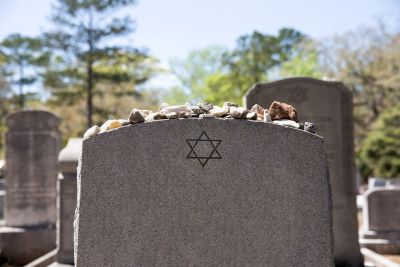
Since there’s no rigid rule for how to place a stone, many people use this moment to create a unique tradition. You might want to say a quiet prayer, share a favorite memory aloud, or bring a different type of stone each visit, marking special occasions or anniversaries. Whether you’re alone or with others, you have the freedom to make the act of leaving a stone as simple or as elaborate as feels right to you.
A Practical Warning for Kohanim
There’s also a more practical side to this custom, rooted in ancient times. When the Temple still stood in Jerusalem, Jewish priests, or kohanim, had special rules to follow—they could not come too close to a corpse without becoming ritually impure. Just four feet was considered too close!
To help the kohanim steer clear, people began to mark graves by piling stones on them. It was a clear, visible sign: here lies someone, please keep your distance. Over time, this act became layered with meaning, transforming from a simple warning into the heartfelt ritual of remembrance we know today.
Stones have special meaning in Judaism and are considered the appropriate memorial for those who have died.
The Jewish tradition of leaving stones or pebbles on a grave is an ancient one, and its origins are unclear. It is a custom or tradition, rather than a commandment, and over time, many interpretations have been offered for this practice.
Early in the Torah, Abraham takes his son to be sacrificed on a stone. This ancient stone has a name- even hashityah, the foundation stone of the world.
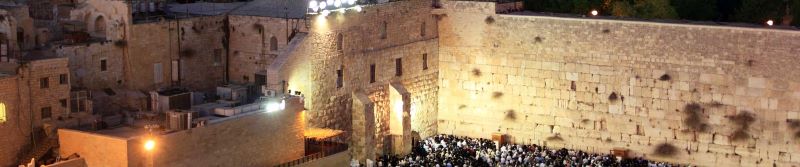
In Jerusalem, the Western Wall is just a pile of stone, and in the Bible, an altar was described as having been built from stone.
Stones are thought to be simple, but strong and enduring. Many Jews regard stones as a symbol of potency, perseverance, and religious and family ties.
The Connection Between Stones and the Soul
Jewish tradition holds a fascinating belief about the time after a person’s passing. According to age-old teachings, the soul lingers near its earthly resting place for a period following burial. Placing a stone on a grave is said to honor this presence, serving as a quiet reassurance that the memory and soul of the departed remain close and not forgotten.
Some interpretations add another layer: the act of leaving a stone helps protect the grave. Folklore suggests these small stones may serve as a gentle safeguard, warding off any unwanted spirits or troubling forces from disturbing the peace of the site. Whether as a reminder of enduring presence or a symbolic guardian, each stone left atop a grave connects the living with those who have gone before, grounding memory and tradition in something simple, strong, and everlasting.
The Deeper Meaning Behind the Word for “Pebble”
Interestingly, the Hebrew language offers another beautiful layer of meaning to this practice. The word for “pebble,” tz’ror, also carries the meaning “bond.” You’ll encounter this word in the memorial prayer El Maleh Rahamim, where we ask that the souls of the departed be “bound up in the bond of life” (tz’ror haHayyim).
By placing a stone on a loved one’s grave, you’re not just marking your visit—you’re forming a symbolic connection, a bond that transcends time. Each stone becomes a silent promise: the person’s memory is carried forward, woven into our lives and prayers, continuing on with strength and permanence, just like the stone itself.
Spiritual Protection and the Role of Stones
Beyond serving as a sign of remembrance, some Jewish traditions hold that placing stones on graves has a protective purpose. According to certain beliefs, the soul lingers near the grave after death, and the presence of these stones helps anchor the soul within this world, offering comfort to loved ones who visit.
Additionally, there are age-old interpretations suggesting that these stones create a barrier, offering spiritual protection by keeping unfriendly forces—like demons or even legendary golems—at bay. This subtle act becomes both a gesture of remembrance and a safeguard, reflecting the depth of symbolism found in Jewish customs.
Over the centuries, the practice of leaving stones on Jewish graves has been enshrined as a tradition that Jews uniformly follow.
Other Jewish Mourning and Memorial Traditions
Beyond the custom of placing stones, there are several other meaningful ways Jews honor and remember their loved ones at gravesites and beyond.
Studying Torah for the Departed
Some mourners find comfort and purpose in dedicating the study of sacred texts—especially the Mishnah—in memory of the deceased. This act is considered a way to help elevate the soul of the loved one, serving both as a spiritual tribute and an ongoing connection across generations.
Gravestone Symbols and Imagery
Jewish gravestones often feature unique symbols that reflect the personality, ancestry, or religious devotion of the person buried there. For instance:
- A pair of hands might indicate a descendant of the priestly Kohanim.
- A pitcher can symbolize a Levite, who washed the hands of the priests.
- Candlesticks may mark the grave of a woman, signifying her role in lighting Shabbat candles.
These artistic touches are more than decorative—they offer a glimpse into the identity and values of those memorialized.
Recitation of Prayers
It is also customary to recite special prayers at the gravesite, such as the El Malei Rachamim (God full of mercy) and the Kaddish. These prayers express remembrance, hope, and a continued bond between the living and the departed.
Through these observances—whether studying, placing stones, or reading ancient words—Jewish tradition weaves together memory, respect, and enduring connection.
10050 Spanish Isles Blvd, Suite E-10
Boca Raton, FL 33498


© 2023 Sunshine Cremation Services LLC. ALL RIGHTS RESERVED. Privacy Notice.
All Funeral Services will be provided by either Sunshine Cremation Services or its parent company, Kronish, Sunshine & Co., a licensed funeral establishment. This website is for informational purposes only. No funeral services are being offered or sold herein.