
Habla Español:
Call Now
Cremation Consultants Available 24/7
Call Now
Cremation Consultants Available 24/7
What Does the Bible Say About Cremation

What Does the Bible Say About Cremation
Are you curious about what the Bible says regarding cremation? This comprehensive article delves into the scriptures to clarify this frequently debated subject. Cremation, the process of transforming a deceased body into ashes through fire, has gained popularity in recent years, prompting discussions among believers about its alignment with biblical teachings.
We aim to illuminate the Bible’s perspective on cremation by examining key passages and ancient customs. This exploration includes biblical examples of cremation and burial practices, highlighting their cultural and religious significance. Whether you seek personal understanding or wish to engage in theological discussions, this article serves as a thorough guide on the topic. Join us as we investigate the scriptures and various viewpoints on cremation, empowering you to form an informed opinion on this intriguing matter.

Historical Context of Cremation in Ancient Civilizations
Cremation has been practiced for thousands of years, deeply embedded in various ancient cultures. The earliest evidence of cremation dates back to the Stone Age, where charred human remains suggest that some societies honored their dead through this method. The ancient Greeks viewed cremation as a respectful tribute, believing that fire aided the soul’s journey to the afterlife. By reducing the body to ashes, they thought it facilitated a smoother transition from the physical realm to the spiritual.
In the Roman Empire, cremation was common, particularly among the affluent. Elite families constructed elaborate funeral pyres to mourn and celebrate their loved ones’ lives. The ashes were often placed in ornate urns, symbolizing respect and remembrance. However, as Christianity spread, cremation’s popularity waned, largely due to the church’s teachings emphasizing bodily resurrection. This shift marked a significant change in societal attitudes toward cremation, leading many to prefer burial.
Eastern cultures, such as Hinduism, maintain cremation as a sacred tradition, viewing it as essential to the life-death cycle. In these contexts, cremation is believed to liberate the soul from the physical body, promoting spiritual ascension. The diverse beliefs surrounding cremation across civilizations underscore the intricate relationship between cultural practices and religious ideologies, setting the stage for contemporary discussions on the topic.
Cremation in the Bible: Examining Relevant Scriptures
When exploring the Bible’s stance on cremation, it’s crucial to consider the context of various practices. The Bible does not explicitly endorse or condemn cremation, leading to diverse interpretations among scholars and theologians. In the Old Testament, burial appears to be the predominant method for handling the dead, as illustrated by key biblical figures like Abraham, Isaac, and Jacob, who are thought to have been buried in tombs. The burial of Jesus Christ further underscores the importance of this practice in biblical times.
However, certain scriptures suggest that cremation may not be absent from biblical practices. For instance, in 1 Samuel 31:12-13, the bodies of Saul and his sons were burned after their deaths, likely out of necessity rather than custom. Additionally, Amos 2:1 mentions the burning of the bones of Edom’s king, indicating that fire was sometimes used in dealing with the deceased. These passages reveal that while burial was more common, cremation was not entirely disregarded in biblical narratives.
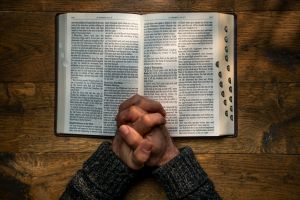
The New Testament continues to emphasize burial, particularly concerning resurrection. Christ’s resurrection is central to Christian belief, and burial serves as a precursor to this event. Many Christians view burial as more significant, symbolizing the hope of resurrection and eternal life. Ultimately, the Bible’s silence on cremation allows contemporary Christians to approach the topic flexibly, guided by personal and theological considerations.
Different Perspectives Within Christianity Regarding Cremation
Christian views on cremation vary widely, influenced by denominational beliefs, cultural practices, and individual interpretations of scripture. Some denominations accept cremation as a valid alternative to burial, while others maintain a more conservative stance. For example, many evangelical Christians embrace cremation as a choice that aligns with biblical teachings, arguing that the physical body is merely a vessel and that the soul’s journey is paramount.
Conversely, traditional denominations, such as Orthodox Christians, typically prefer burial over cremation. This preference stems from a belief in bodily resurrection and the sacredness of the human form, created in God’s image. These communities emphasize honoring the body, even after death, as a reflection of their faith in the eventual resurrection. Burial also provides a tangible memorial for friends and family to visit, fostering a connection to the deceased.
Despite these differing views, individual choices often reflect personal beliefs and circumstances rather than strict theological boundaries. Many Christians navigate cultural traditions, family expectations, and personal convictions when considering cremation. Engaging in open conversations within their communities can clarify these perspectives and enhance understanding of the complexities surrounding death and burial practices in contemporary Christianity.
The Catholic Church’s Stance on Cremation
The Catholic Church’s perspective on cremation has evolved significantly over the years. Historically, cremation was viewed with suspicion due to its association with pagan practices and the belief in bodily resurrection. For centuries, Catholics were encouraged to choose burial, seen as a more faithful representation of Christ’s death and resurrection. However, in 1963, the Vatican recognized cremation as an acceptable practice, provided it does not contradict core beliefs.
The Church emphasizes that the choice of cremation should not stem from a denial of resurrection or disrespect for the deceased. Instead, the Catholic Church encourages families to approach cremation with the same reverence as burial, including holding a funeral Mass and treating the ashes with dignity. The preferred practice is to inter the ashes in a sacred place, such as a cemetery or columbarium, rather than scattering them or keeping them at home, which could diminish the memorial’s significance.
Despite this acceptance, the Catholic Church maintains that burial remains the preferred option due to its rich symbolism and connection to resurrection. For believers, burial serves as a powerful reminder of the hope of eternal life through Christ. Thus, while cremation is permitted, the Church continues to advocate for burial as the most faithful representation of the Christian understanding of life, death, and resurrection.

Cremation Versus Traditional Burial: Pros and Cons
When choosing between cremation and traditional burial, it’s essential to weigh the pros and cons of each option. One significant advantage of cremation is its cost-effectiveness. Cremation typically incurs lower expenses than traditional burial, which often includes costs for a casket, burial plot, and headstone. For families facing financial constraints, cremation can provide a more accessible alternative, allowing them to honor their loved ones without the burden of high costs.
Another factor favoring cremation is its environmental impact. As awareness of the ecological consequences of burial grows, such as land use and resources consumed in embalming, cremation is increasingly viewed as a more environmentally friendly option. It requires less land and can reduce the need for ongoing maintenance of burial sites. Additionally, families may choose to scatter ashes in meaningful locations, creating a personalized memorial experience that honors the deceased’s legacy.
On the other hand, traditional burial has its advantages. Many find comfort in the ritual of burial, providing a physical place for family and friends to gather and remember their loved ones. The cemetery serves as a lasting memorial, a space for individuals to visit and pay their respects. Furthermore, traditional burial aligns more closely with the beliefs of many faith traditions that emphasize the importance of the body and the hope of resurrection. For those who value these customs, burial may feel like the more appropriate choice.
Cultural and Societal Considerations Influencing Cremation Practices
Cultural and societal factors significantly shape attitudes toward cremation and burial practices. In many Western countries, cremation has gained popularity over the last few decades, reflecting changing societal norms around death and funerals. As individuals seek more personalized and less formal memorialization approaches, cremation offers flexibility in planning services that better reflect the deceased’s personality and values. This shift highlights a growing desire for authenticity and individuality in commemorating loved ones.
Conversely, in certain cultures and religions, burial remains the dominant practice due to longstanding traditions and beliefs. For example, in Jewish and Islamic communities, burial is seen as a sacred duty, with specific rituals that must be followed. These cultural norms foster a sense of community and continuity, as families come together to participate in the mourning process. In these cases, cremation may be viewed as incompatible with religious teachings or cultural identity, leading individuals to adhere to traditional burial practices.
Societal attitudes toward death and dying also influence perceptions of cremation. In cultures where open discussions about death are encouraged, individuals may feel more comfortable exploring options like cremation. Conversely, in societies where death is a taboo subject, people might default to traditional burial practices out of fear or uncertainty. As public discourse surrounding death continues to evolve, it’s essential to recognize how these cultural and societal considerations impact individuals’ decisions about honoring their loved ones after they have passed away.
Cremation Rituals and Memorialization Options
Cremation rituals can vary widely based on cultural, religious, and personal preferences. Many families choose to hold a memorial service or celebration of life before the cremation, allowing loved ones to gather and share memories. This service can be tailored to reflect the deceased’s personality, incorporating music, readings, and personal anecdotes that celebrate their unique life. Such gatherings provide an opportunity for healing and support among family and friends as they navigate their grief together.
After the cremation, families must decide how to handle the ashes. Some choose to keep them in an urn at home, serving as a constant reminder of their loved ones. Others may opt for a more public memorialization, such as interring the ashes in a cemetery or placing them in a columbarium. This option allows for a designated space for family and friends to visit and pay their respects, similar to a traditional burial. Additionally, some families choose to scatter the ashes in a location that holds special meaning for the deceased, further personalizing the memorial experience.

In recent years, innovative memorialization options have emerged, offering unique ways to honor the deceased. Some companies provide services that transform ashes into beautiful pieces of art, such as glass sculptures or jewelry, allowing families to carry a tangible memory of their loved ones. Others offer eco-friendly alternatives, such as biodegradable urns that can be planted to grow trees or flowers, creating a living tribute to the deceased. These creative options reflect evolving attitudes toward death and memorialization, providing families with diverse ways to celebrate the lives of their loved ones.
Addressing Common Misconceptions About Cremation
Despite the growing acceptance of cremation, several misconceptions persist that can influence people’s perceptions of this practice. One common myth is that cremation is a form of disrespect or desecration of the body. Many believe that choosing cremation implies a rejection of the sacredness of the human body. However, numerous religious traditions, including the Catholic Church, affirm that cremation can be a respectful option when approached with reverence and care. Understanding this perspective can help dispel the notion that cremation is inherently disrespectful.
Another misconception is that cremation prevents the possibility of resurrection or an afterlife. This belief often stems from misunderstandings about the nature of the soul and the body. For many religious individuals, a person’s essence transcends physical form, meaning that the soul continues its journey regardless of whether the body is buried or cremated. Many theologians argue that God’s power is not limited by the physical state of the body, further reinforcing the idea that cremation does not negate the hope of resurrection.
Finally, some may assume that cremation eliminates the need for rituals and memorialization. In reality, families can create meaningful rituals surrounding cremation that honor their loved ones in profoundly personal ways. From holding a memorial service to selecting unique memorialization options, the possibilities for commemorating a life are vast and varied. By addressing these misconceptions, individuals can approach the topic of cremation with a clearer understanding, allowing for informed choices that align with their beliefs and values.
Conclusion
Personal Reflections on Choosing Cremation Based on Biblical Teachings
As we explore cremation and its connection to biblical teachings, it becomes clear that there is no one-size-fits-all answer for believers. The Bible does not explicitly endorse or prohibit cremation, allowing for a range of interpretations and personal convictions. Ultimately, the decision to choose cremation or burial should be rooted in individual beliefs, cultural considerations, and personal circumstances.
For many, choosing cremation can be a meaningful way to honor the deceased while reflecting their values and beliefs. Engaging with the scriptures and understanding the historical context can provide valuable insights into how different practices have developed over time. This exploration can also help individuals reconcile their choices with their faith, fostering a sense of peace and acceptance in the face of loss.
Conclusion
Whether one opts for cremation or traditional burial, the most important aspect is the love and intention behind the decision. As families come together to support one another and remember their loved ones, they can draw upon their beliefs and cultural practices to create a meaningful tribute that honors the deceased’s life and legacy. By thoughtfully engaging with the topic of cremation, individuals can make informed choices that resonate with their faith, ultimately finding solace in their decisions about how to commemorate those they hold dear.
10050 Spanish Isles Blvd, Suite E-10
Boca Raton, FL 33498


© 2023 Sunshine Cremation Services LLC. ALL RIGHTS RESERVED. Privacy Notice.
All Funeral Services will be provided by either Sunshine Cremation Services or its parent company, Kronish, Sunshine & Co., a licensed funeral establishment. This website is for informational purposes only. No funeral services are being offered or sold herein.