
Habla Español:
Call Now
Cremation Consultants Available 24/7
Call Now
Cremation Consultants Available 24/7

Navigating the journey of grief is often challenging. Understanding the options for honoring a loved one can provide comfort.
Funerals, memorial services, and celebrations of life each offer unique ways to say goodbye.
These ceremonies serve as a bridge between loss and remembrance. They help us honor the life lived and support those left behind.
A funeral is often seen as a traditional choice. It typically includes religious or spiritual elements and the presence of the deceased.
In contrast, a celebration of life focuses on joy and memories. It highlights the unique personality and passions of the departed.
Memorial services, similar to funerals, do not include the body. They offer flexibility in timing and location.
Choosing the right ceremony involves understanding these differences. It also means considering cultural, religious, and personal preferences.
This guide aims to support you in making informed decisions during this difficult time.
Understanding the Basics: Funeral, Memorial Service, and Celebration of Life
When planning to honor a loved one, it’s important to grasp the distinctions between funerals, memorial services, and celebrations of life.
Each of these ceremonies provides a unique way to say farewell, rooted in personal, cultural, or religious traditions.
While they share common goals of remembrance and support, the format and tone often differ.
Here’s a simple breakdown:
- Funeral: A formal ceremony with the deceased’s body present, often includes traditional rituals.
- Memorial Service: A service without the body, usually held at a later date, allowing more flexibility.
- Celebration of Life: A joyful event focusing on positive memories, often personalized and informal.
Funerals typically involve religious elements, providing structure and tradition. They are usually held soon after death, within a week.
Memorial services allow more time, accommodating attendees who travel. Without the constraints of traditional customs, they can be held anywhere—home, park, or a community hall.
Celebrations of life are tailored events, deeply reflecting the deceased’s unique character. They prioritize storytelling, joy, and shared happy memories.
What Is a Funeral?
A funeral is a time-honored tradition. It offers a structured environment to honor the deceased.
During a funeral, the deceased’s body is often present. This allows loved ones to say a final goodbye.
Funerals usually occur shortly after death, often within a week. This timing helps guide the mourning process.
Religious or spiritual components are common. These elements offer comfort through familiar rituals.
Funerals are often solemn occasions. They provide a quiet space for reflection and mourning.
What Is a Memorial Service?
A memorial service is another way to honor a loved one. It typically does not include the deceased’s body.
These services can take place any time after the death. They offer flexibility in scheduling, allowing families to plan thoughtfully.
Unlike funerals, memorial services focus less on formal rituals. They create space for personal stories and shared memories.
The tone can vary greatly, influenced by the wishes of family and friends. This flexibility helps reflect the uniqueness of the person being remembered.
Memorial services often bring together those touched by the deceased’s life. They provide an opportunity for communal support and healing.
What Is a Celebration of Life?
A celebration of life is an event focused on joy and remembrance. It highlights the bright moments and achievements of a person’s life.
Such events often take place in casual settings like homes or parks. This relaxed atmosphere allows attendees to feel comfortable sharing personal anecdotes.
A celebration of life prioritizes storytelling, music, and activities. These elements echo the passions and interests of the departed loved one.
This type of ceremony typically forgoes traditional funeral rites. Instead, it centers on personal expression and creativity, resonating with the unique qualities of the deceased.
By focusing on uplifting memories and experiences, a celebration of life provides solace and closure. This positive environment helps loved ones find healing through shared connections and cherished recollections.
Key Differences: Funeral vs Celebration of Life
The key differences between a funeral and a celebration of life lie in their tone and structure. Funerals are traditionally solemn and follow religious or cultural protocols.
A funeral typically includes rituals such as hymns, prayers, and eulogies. These elements offer a formal way to mourn and say goodbye.
In contrast, celebrations of life prioritize a more light-hearted atmosphere. They focus on joy and remembrance rather than solely on mourning.
While funerals are time-sensitive, occurring shortly after death, celebrations of life offer more flexibility. They can be held when the family feels ready.
A funeral often includes the presence of the deceased’s body. On the other hand, a celebration of life does not revolve around this solemn aspect.
Here’s a quick comparison:
- Funeral: Formal, body present, structured rituals.
- Celebration of Life: Informal, no body present, personalized and joyful.
Understanding these differences helps families choose a ceremony aligning with their wishes and values. Each approach offers unique support and commemorates the deceased meaningfully.
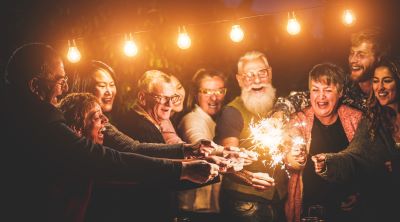
Memorial Service vs Celebration of Life: How Are They Different?
Memorial services and celebrations of life each offer distinct experiences. A memorial service, like a funeral, often involves structured ceremonies.
Memorial services can be spiritual but don’t require the deceased’s body. They can be held on any significant date.
In contrast, a celebration of life centers on personal storytelling. It highlights the deceased’s personality and interests through meaningful activities.
Both provide a space for remembering and cherishing memories. However, the celebration of life tends to be more informal and joyful.
Here’s a summary of their differences:
- Memorial Service: Formal or spiritual, no body present, often structured.
- Celebration of Life: Personalized, joyful, focus on life stories and interests.
Understanding these distinctions can guide families in selecting the most fitting tribute. Each choice serves to honor the deceased and support grieving loved ones.
Is a Celebration of Life a Funeral?
A celebration of life is distinct from a traditional funeral. While both honor someone dearly loved, their approaches differ greatly.
Funerals are typically more formal, with rituals and sometimes religious practices. They often include the physical presence of the deceased’s body.
In contrast, a celebration of life focuses on the deceased’s legacy and achievements. It’s a joyous occasion, prioritizing stories and shared memories over traditional mourning rituals. This distinction makes each ceremony uniquely meaningful.
Choosing the Right Ceremony: Factors to Consider
When deciding between a funeral, memorial service, or celebration of life, consider several factors. Your decision should reflect the values of the deceased and the needs of those grieving.
Cultural and religious beliefs often play a significant role in these decisions. Determine if adhering to traditions is important for the deceased or family.
Personal wishes of the loved one could guide your choice. Some may have expressed preferences for how they want to be honored after passing.
Financial considerations matter as well. Funerals can be more costly due to elements like caskets and burials. Celebrations of life may provide more budget-friendly options.
The atmosphere also influences decision-making. Decide whether a formal, structured setting or a more relaxed, personal gathering fits better.
Families should consider the emotional benefits of each type of service. Each offers various ways to support healing and closure.
Key factors to think about include:
- Cultural and religious beliefs
- The deceased’s personal wishes
- Financial implications
- Desired atmosphere
- Emotional needs and support
Personalization and Cultural Considerations
Personalizing a ceremony can profoundly impact those attending. Tailor the service to reflect the deceased’s life and passions.
Cultural considerations can deeply influence the service’s structure and style. Ensure to incorporate traditions that hold meaning for the family and community.
Encourage creative expression to honor the unique aspects of the deceased’s life. This could be done through:
- Including cultural or ethnic traditions
- Highlighting personal achievements and hobbies
- Using music, stories, and activities to reflect personal interests
Frequently Asked Questions
Navigating end-of-life ceremonies often raises questions. Families may wonder which service best suits their needs.
Another common question involves the timing of each type of service. The timing can vary widely.
Here are some frequently asked questions:
- What is the cost difference between services?
- Can a service include both traditional and modern elements?
- How can we honor multiple cultural traditions?
Each service type offers flexibility. Families can choose elements that reflect their loved one’s life and values.
Conclusion: Honoring a Life, Supporting Each Other
Choosing between a funeral, memorial service, or celebration of life is deeply personal. Each option offers unique ways to honor a loved one’s legacy.
Supporting one another throughout this process is crucial. Families can find solace in shared memories and communal gatherings. These moments foster healing.
Ultimately, what matters is that the service reflects the loved one’s values and personality. This ensures a meaningful tribute that helps begin the journey toward peace. Through support and understanding, families can honor their loved ones while comforting one another.
10050 Spanish Isles Blvd, Suite E-10
Boca Raton, FL 33498


© 2023 Sunshine Cremation Services LLC. ALL RIGHTS RESERVED. Privacy Notice.
All Funeral Services will be provided by either Sunshine Cremation Services or its parent company, Kronish, Sunshine & Co., a licensed funeral establishment. This website is for informational purposes only. No funeral services are being offered or sold herein.